Kensal Green Cemetery
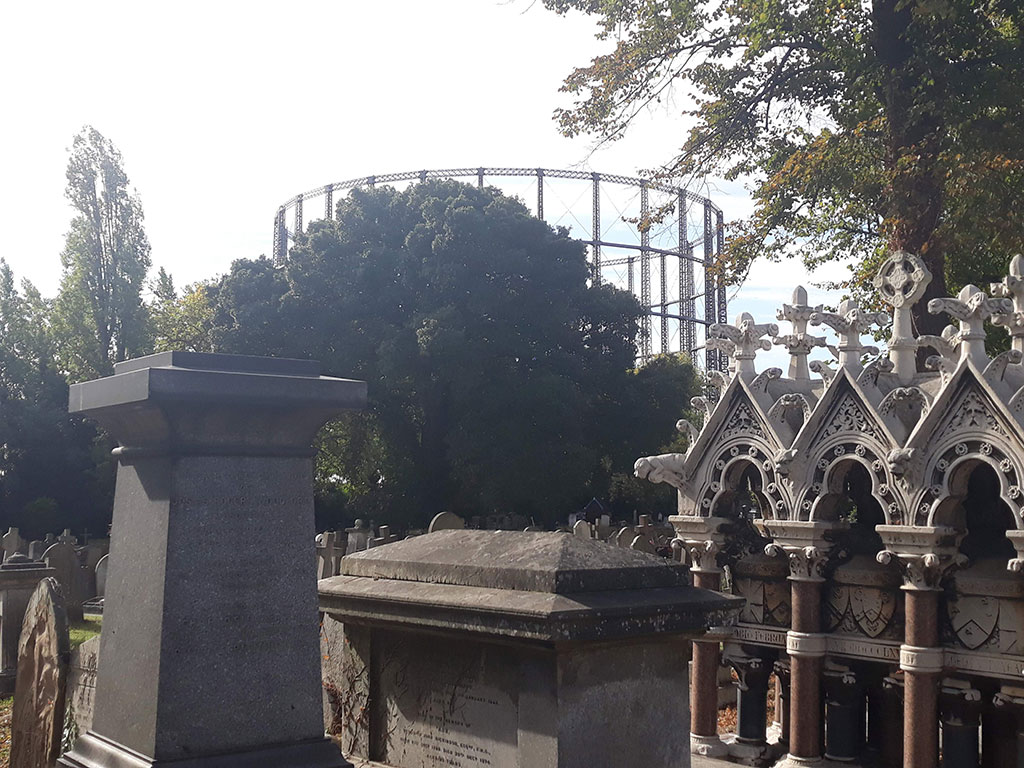
Kensal Green Cemetery – the final resting place for those who couldn’t quite make it to Highgate or simply preferred a more eclectic neighbourhood. Established in 1833, it’s the eldest of London’s “Magnificent Seven” cemeteries, a term coined not for their grandeur but perhaps for the sheer number of Victorian egos interred within.
A Brief History (Because the Dead Have All the Time in the World)
Founded by barrister George Frederick Carden, who, after a jaunt to Paris’s Père Lachaise, thought, “Why shouldn’t London have its own necropolis with a flair for the dramatic?” Thus, Kensal Green was born – a 72-acre expanse designed to house both the pious and the pretentious.
The cemetery was consecrated on 24 January 1833 by the Bishop of London, Charles James Blomfield, who presumably blessed the grounds while side-eyeing the more ostentatious tombs.
Architectural Overkill
Kensal Green doesn’t do subtle. The Anglican Chapel, a Grecian temple of doom, sits atop a catacomb accessible via a hydraulic catafalque – a fancy term for a coffin elevator. Because nothing says “rest in peace” like being mechanically lowered into eternal darkness.
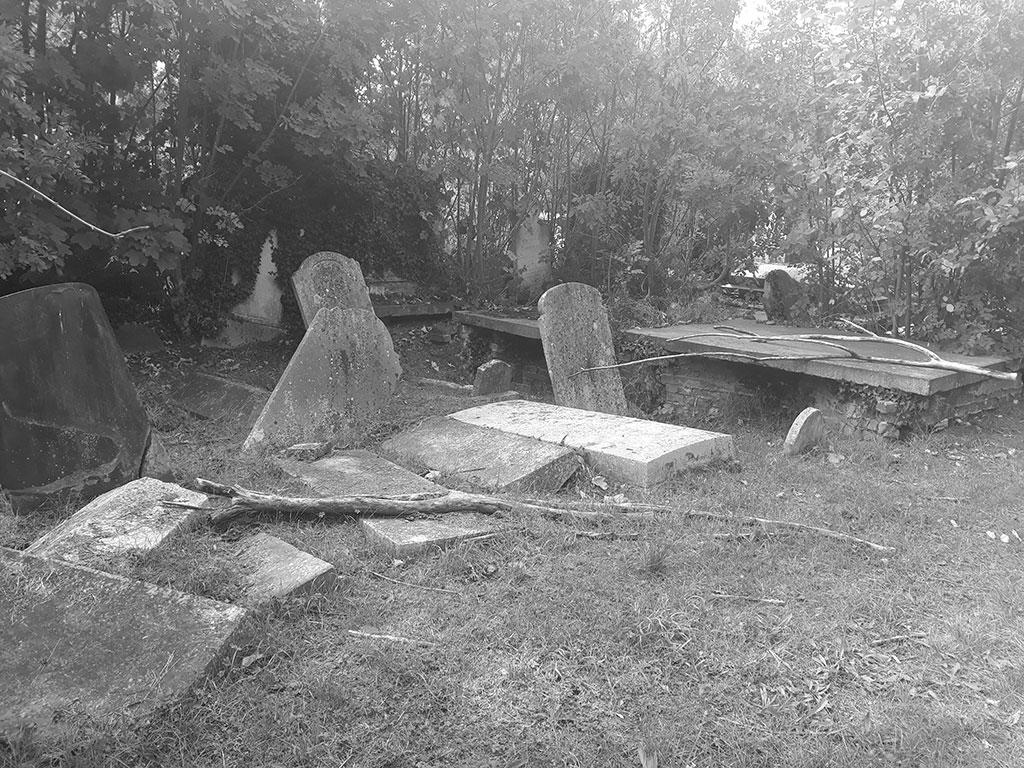
For those less inclined toward Anglican theatrics, the Dissenters’ Chapel offers a Greek Revival alternative, restored in the 1990s after years of neglect. It’s now home to the Friends of Kensal Green Cemetery, a group dedicated to preserving the site’s decaying grandeur.
Notable Residents (Dead, But Not Forgotten)
Kensal Green is the eternal home to over 250,000 souls, including:
- Isambard Kingdom Brunel: The engineer who built bridges, tunnels, and ships, yet couldn’t engineer his way out of mortality.
- Charles Babbage: The “father of the computer”, who’d be thrilled to know his invention is now primarily used for cat videos.
- Anthony Trollope: Novelist and postal reformer, credited with introducing the red pillar box. A man who ensured your bills arrive promptly, even from beyond the grave.
- Charles Blondin: Tightrope walker who crossed Niagara Falls and now balances eternal rest with eternal fame.
- William Makepeace Thackeray: Author of “Vanity Fair”, a title that aptly describes many of the cemetery’s more elaborate monuments.
Flora, Fauna, and the Occasional Ghost
Beyond the tombstones, Kensal Green is a haven for wildlife. Over 30 species of birds, including European green woodpeckers, call it home. Butterflies flutter among the graves, and if you’re lucky, you might spot a hedgehog or two. It’s like a petting zoo, but with more death.
Modern-Day Mourning (Now with Parking)
Unlike its more exclusive counterparts, Kensal Green remains operational. Burials and cremations occur regularly, though purchasing a plot requires an immediate need – no pre-planning your eternal slumber here. The cemetery has even adapted to modernity with a crematorium, because sometimes, ashes are more convenient than bones.
A Final Thought (Before You Join Them)
Kensal Green Cemetery is a testament to humanity’s desire to be remembered, preferably in stone and with a touch of melodrama. It’s a place where history, architecture, and nature intertwine, offering visitors a chance to reflect on mortality while critiquing Victorian taste.
So, the next time you’re in West London and fancy a stroll among the dearly departed, pay a visit to Kensal Green. Just remember: tread lightly – you wouldn’t want to wake the neighbours.
Kensal Green Cemetery: Where the Dead Outnumber the Living (and Have Better Real Estate)
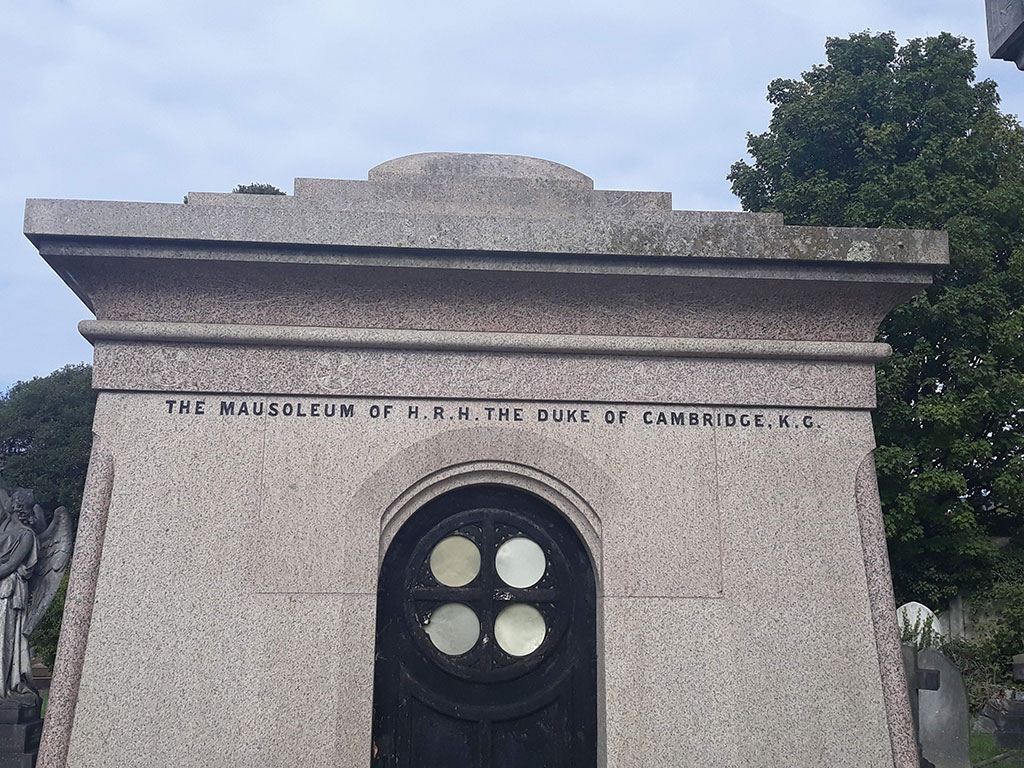
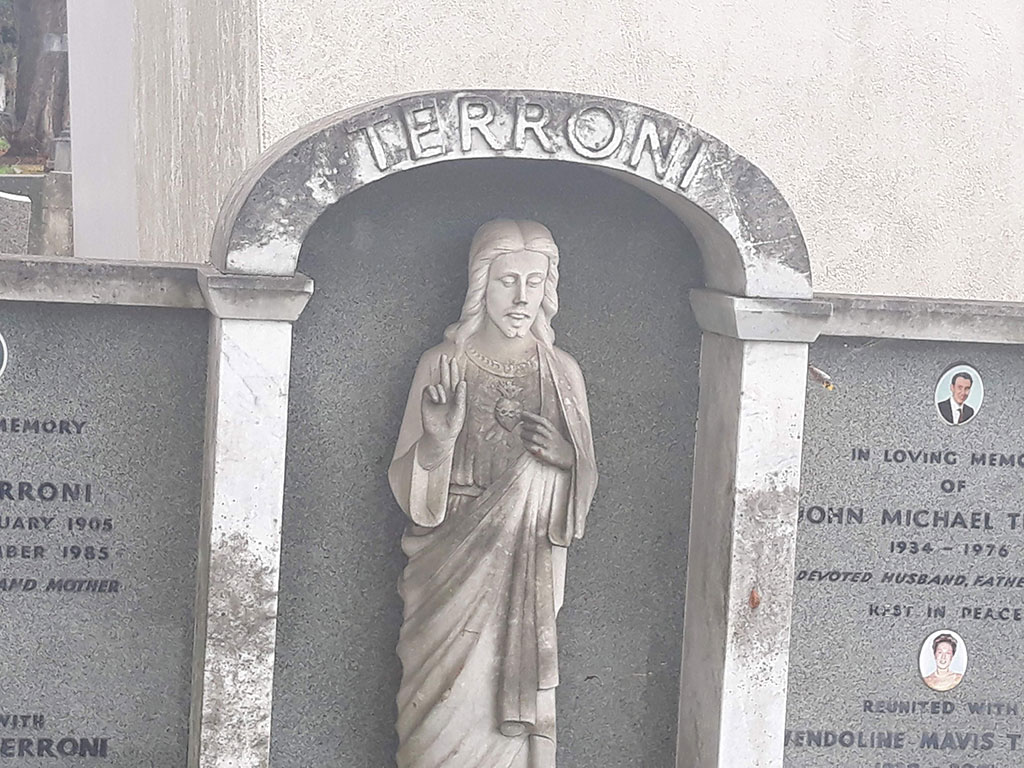
Here’s a few photos taken by me.